

What’s the difference between goldsmithing and jewelry-making?
It may seem like a simple question, but it conceals centuries of history, technique, and culture. In everyday language, the two terms are often confused. Some believe a jeweler is simply someone who sells jewelry, while a goldsmith is the one who crafts it. But that’s an oversimplification — and a misleading one.
In this article, we’ll clarify a subtle yet crucial distinction. We’ll explore meanings, roles, techniques, origins, and how they’ve evolved over time, all to give each term its rightful value — and to help you truly understand what you're wearing or buying.
What’s the difference between Goldsmithing and Jewelry-making?
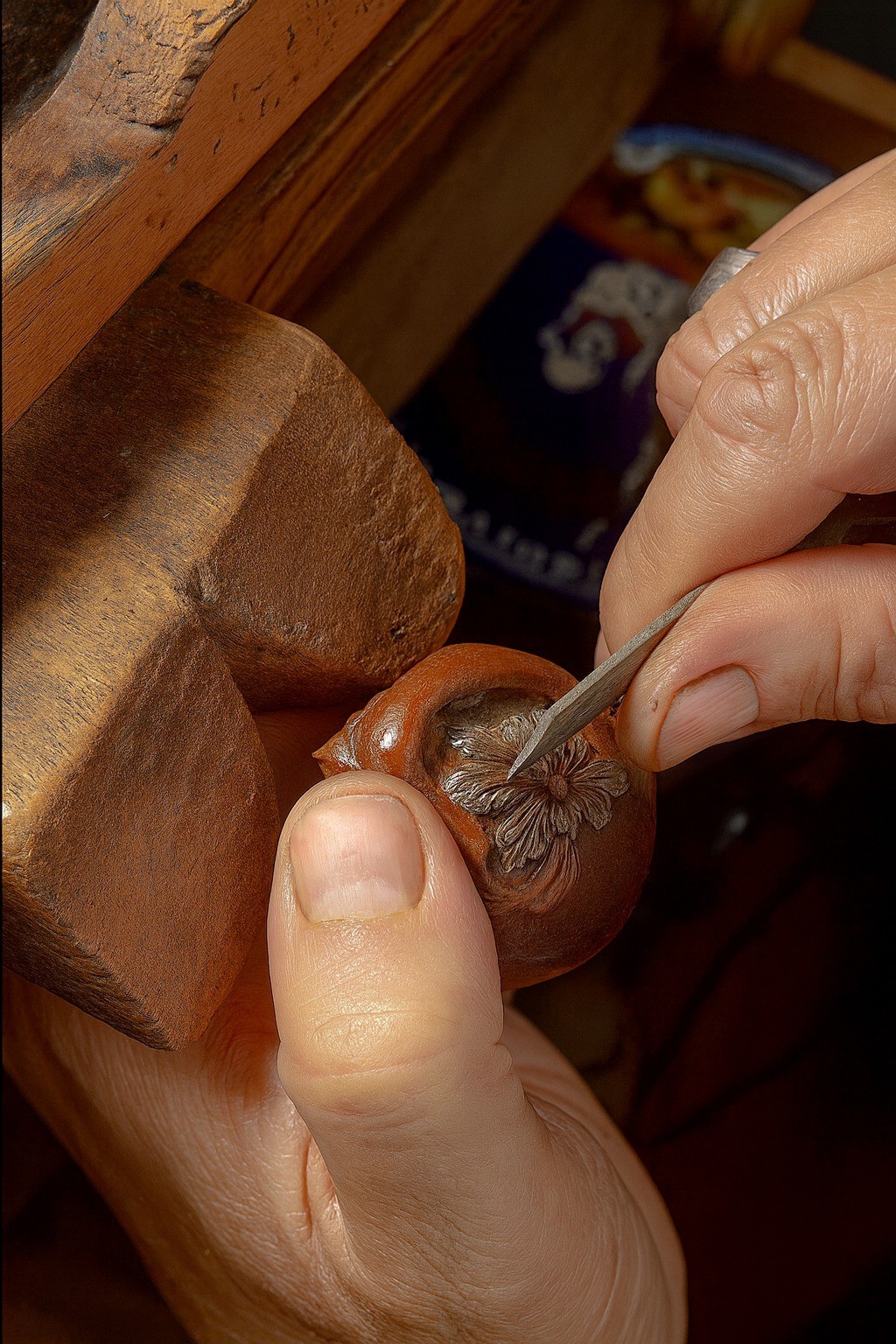
Goldsmithing is the art of working with precious metals—especially gold and silver—to create decorative or symbolic objects. The value of each piece lies in the craftsmanship, the attention to detail, and the complexity of the techniques used. The goldsmith works by hand, shaping the metal through processes like chasing, piercing, and engraving.
Jewelry-making, on the other hand, focuses on creating adornments where the gemstone takes center stage. The jeweler designs settings that enhance the cut, color, and brilliance of the stone. It’s a craft of utmost precision, where the perceived value is closely tied to the gem’s quality and rarity.
These are two art forms that speak to each other, often coexisting in the same piece—but born of different intentions: one celebrates the hand, the other the material.
Goldsmith Meaning: Who They Are and What They Do
Goldsmith: Meaning, Role, and Craft
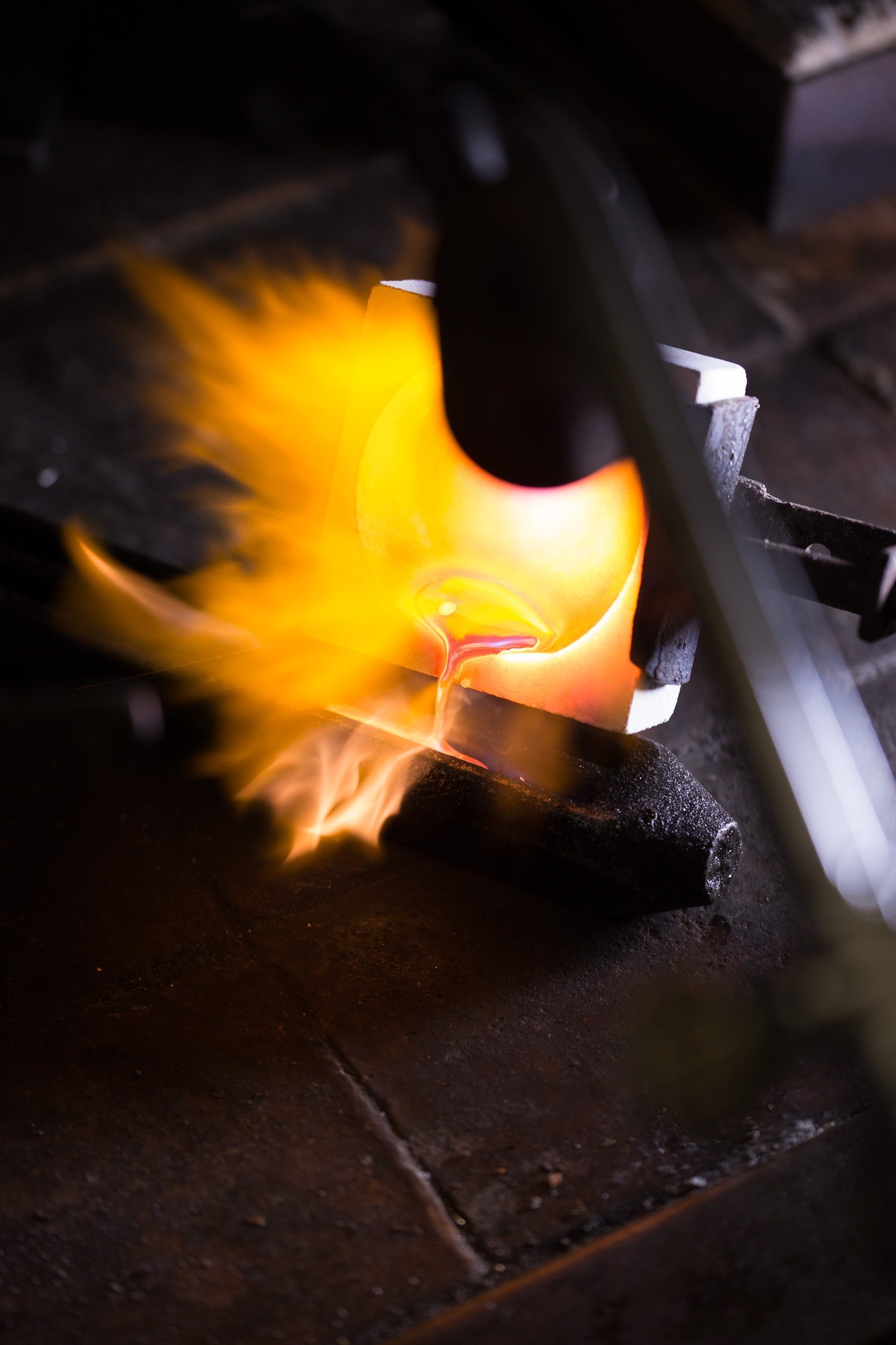
A goldsmith is a skilled artisan who specializes in working with precious metals, dedicated to creating unique and refined jewelry. Their work goes far beyond simply shaping gold or silver—it’s grounded in manual expertise and artistic sensitivity, allowing them to craft one-of-a-kind pieces. Every jewel made by a goldsmith begins with careful design and is brought to life through a process that blends tradition with precision.
There are many techniques involved, each requiring years of practice to master. Chasing, for instance, shapes the metal cold, producing intricate low-relief designs. Fretwork involves cutting into thin sheets with a fine saw, creating openwork patterns as delicate as lace. And engraving uses a burin to carve into the metal, allowing for personalized inscriptions, illustrations, or ornamental motifs. The goldsmith carefully chooses which techniques to apply based on the piece’s style, purpose, and overall harmony.
Jeweler: Meaning, Role, and Craft
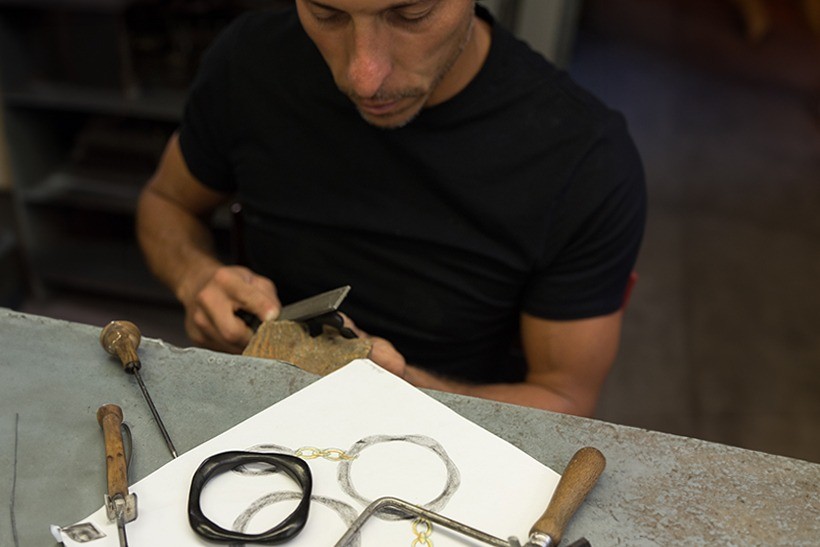
A jeweler is an artisan specialized in creating ornaments where the gemstone takes center stage. Unlike the goldsmith—who focuses primarily on form and metalwork—the jeweler’s attention is devoted to the balance between gem and setting, with the goal of enhancing the stone’s brilliance, cut, and rarity.
In ancient times, gemstones were simply tied or wrapped, as tools for shaping metal around the stone didn’t yet exist. It was only with the advancement of techniques—through the introduction of burins, punches, and fine saws—that a new chapter in ornamentation began: stone setting was born. This allowed gems to be secured firmly and safely, but more importantly, to be visually elevated.
The meaning of the word jeweler, then, goes far beyond merely selling jewelry—as is often mistakenly believed. It refers to someone who designs and crafts pieces with the gemstone at the heart of the process. Every creation begins with the careful selection of the stone, followed by a study of proportions, wearability, and the overall harmony of the piece.
A Millennia-Old Legacy: The Story of Metal and Stone
Goldsmithing traces its roots back to the world’s earliest civilizations. Egyptians, Etruscans, and Romans worked precious metals not merely for adornment, but as a means of communication—of power, sacredness, and identity. Gold, in particular, was seen as a symbol of eternity, light, and divinity. A pure and incorruptible material, it conveyed religious and political messages that went far beyond its decorative value.
It wasn’t until the Renaissance—and the centuries that followed—that precious stones like emeralds, rubies, and diamonds began to appear more frequently in jewelry. Still, they remained a privilege of the few: monarchs, popes, and aristocrats. The rising bourgeoisie—notaries, merchants, and entrepreneurs—unable to compete in the realm of gemstones, sought refinement in the craftsmanship of metal itself.
Thus was born an extraordinary goldsmithing tradition whose expressive power lies not in the stone, but in technique. In fretwork, which lightens and embellishes a flat surface. In the elegance of chasing, which shapes metal cold. In the narrative richness of engraving, which transforms jewelry into a story. It is an art that speaks through the precision of detail, the balance of form, and the lightness of empty space.
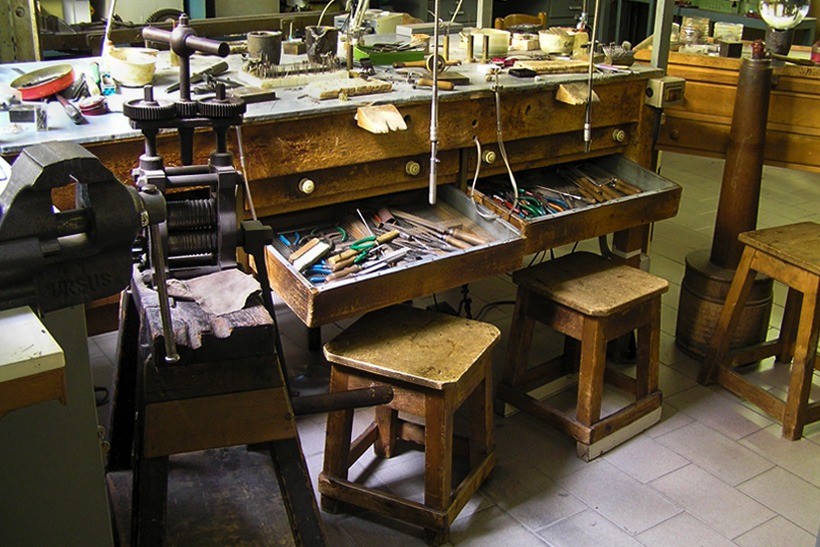
What’s the difference between goldsmithing and jewelry-making?
Conclusion
Understanding the difference between goldsmithing and jewelry-making means looking beyond appearances. It means recognizing the history, technique, and creative vision behind every piece.
At Vannini Gioielli, we embrace both of these identities. Each creation is the result of a dialogue between hand and design, between goldsmithing tradition and contemporary sensibility.
We believe a jewel shouldn't simply shine — it should tell a story about the person who wears it, and reveal the hand of the one who made it.
If you're looking for a piece that speaks to your story and reflects your personality, we invite you to explore the creations of Vannini Gioielli — where the art of goldsmithing takes shape with style and authenticity.