

Since ancient times, sapphire has been a symbol of wisdom and protection, chosen by kings, queens, and religious figures to adorn crowns and sacred relics. But this gemstone is not just about beauty: within its shades lie profound meanings, fascinating legends, and properties that still make it one of the most desired stones in the world today. In this article, we’ll explore the meaning of sapphire, its most beloved colors—starting with the timeless blue—and the reasons why it continues to be regarded as a symbol of elegance and everlasting style.
Sapphire meaning: symbols and values through the centuries
The meaning of sapphire has deep roots in ancient times, when this gemstone was regarded as a divine gift. The Babylonian and Persian civilizations believed the sky drew its color from sapphire, while in India the stone was associated with the stars and spiritual protection. The Greeks and Romans also wore it as an amulet, convinced it could grant wisdom and guard against injustice.
From these traditions was born its aura of mystery, fueled by legends that described it as a stone with magical powers. It was believed to protect its wearer and to keep the heart of its owner pure. It is no surprise, then, that sapphires were set into crowns and relics, symbolizing both protection and a bond with the divine.
In the Middle Ages, sapphire symbolism grew even stronger: rulers chose it as a talisman against deceit and envy, while the Church adopted it as a sacred gem, an emblem of purity and divine connection.
Over time, its meaning expanded to embrace values of love and fidelity—qualities that still make it a favored choice for engagement rings and jewelry gifted on special occasions.
Thus, sapphire is not just a precious stone, but a timeless emblem of wisdom, sincerity, and protection—qualities that explain why it has remained, through the centuries, one of the most cherished and meaningful gems.
Sapphire Colors: all the shades
Sapphire is not only blue, even though this is its most iconic and well-recognized tone. In reality, the gemstone can appear in a surprising variety of colors—from yellow to green, from pink to violet, up to the rare orange-pink padparadscha (in Sinhalese, “lotus flower”). Each shade is created by the presence of specific trace elements within the corundum, the mineral from which sapphire is formed, making every stone unique and fascinating.
Blue sapphire: the most iconic shade
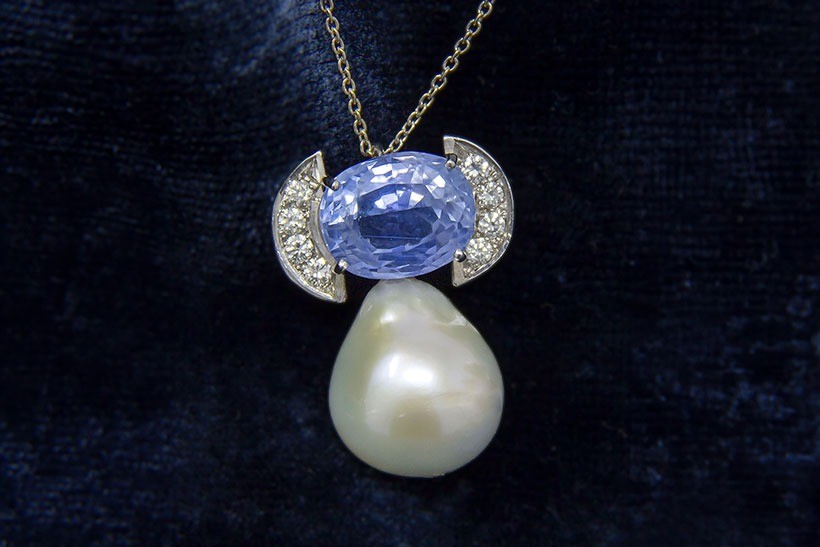
Blue is undoubtedly the color that made sapphire famous around the world. Its tones range from light, bright sky-blue to deep midnight blue, evoking the vastness of the sky and the calm of the sea. This hue, long considered a symbol of refinement, sincerity, and lasting bonds, is the most beloved in jewelry.
An iconic example is the engagement ring given by Prince Charles to Lady Diana, now worn by Kate Middleton: a magnificent blue sapphire surrounded by diamonds, which has become a universal emblem of eternal love and royal elegance.
Properties and characteristics of sapphire stones
Beyond their symbolic and chromatic allure, sapphire stones stand out for their exceptional physical characteristics. With a hardness of 9 on the Mohs scale—which measures the resistance of minerals to scratches from 1 (talc, the softest) to 10 (diamond, the hardest)—sapphire is second only to diamond. This extraordinary durability makes it one of the most resilient natural gemstones, ideal for jewelry designed to be worn every day without losing its brilliance.
The qualities of sapphire, however, are not limited to jewelry. Thanks to its strength and stability, this gemstone is also used in other fields, such as scratch-resistant watch crystals and high-precision optical components. A rare combination of aesthetics and functionality that makes sapphire a truly irreplaceable gem.
How to choose a jewel with sapphire stones
When choosing a sapphire jewel, it’s not only about its beauty: both technical and symbolic criteria come into play to determine its value and uniqueness.
The first element to consider is the color: the most sought-after shades are intense and even, capable of reflecting light in a harmonious way. Next comes clarity, meaning the gem’s transparency and the minimal presence of natural inclusions. The cut is also fundamental, as it enhances both brilliance and color depth. Finally, the carat weight defines the size and overall value of the jewel.
Sapphires lend themselves to a wide variety of creations: engagement rings, necklaces, earrings, and bracelets. Whatever the choice, this gemstone gives every jewel a unique and timeless charm.
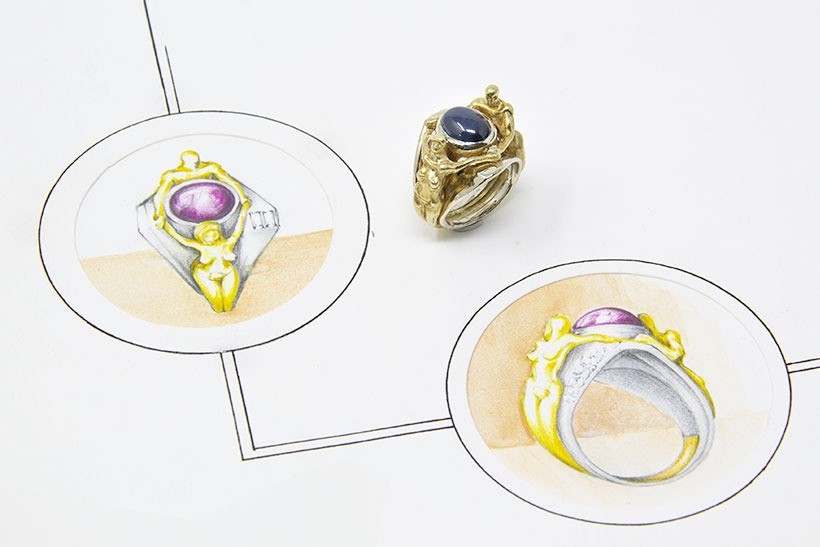
Turning to an artisan goldsmith’s workshop, such as Vannini Gioielli, ensures a truly bespoke creation, with carefully selected stones set with precision to best reflect the personality of the wearer.
Conclusion: the timeless meaning of sapphire
Sapphire continues to captivate not only for its splendor, but also for the mystery that has surrounded it for millennia. It is a gemstone that speaks of deep skies and endless seas, of legends and promises carried across the centuries. Every one of its reflections is an invitation to look beyond the surface, toward what remains authentic and timeless.
If you wish to experience the charm of this stone up close and see how it can be transformed into a unique jewel, visit us at our goldsmith workshop in Florence: at Vannini Gioielli we carefully select and craft each sapphire with artisanal skill, creating an emotion to treasure forever.