

Art and jewels have always had an indissoluble bond.
History is studded with stones, jewels covered with profound symbolic and cultural value, immortalized in important works of art. These jewels represented power, wealth, but could also contain deeper symbols.
Let's find out more about the role of jewels within art.
The goldsmith's art in history
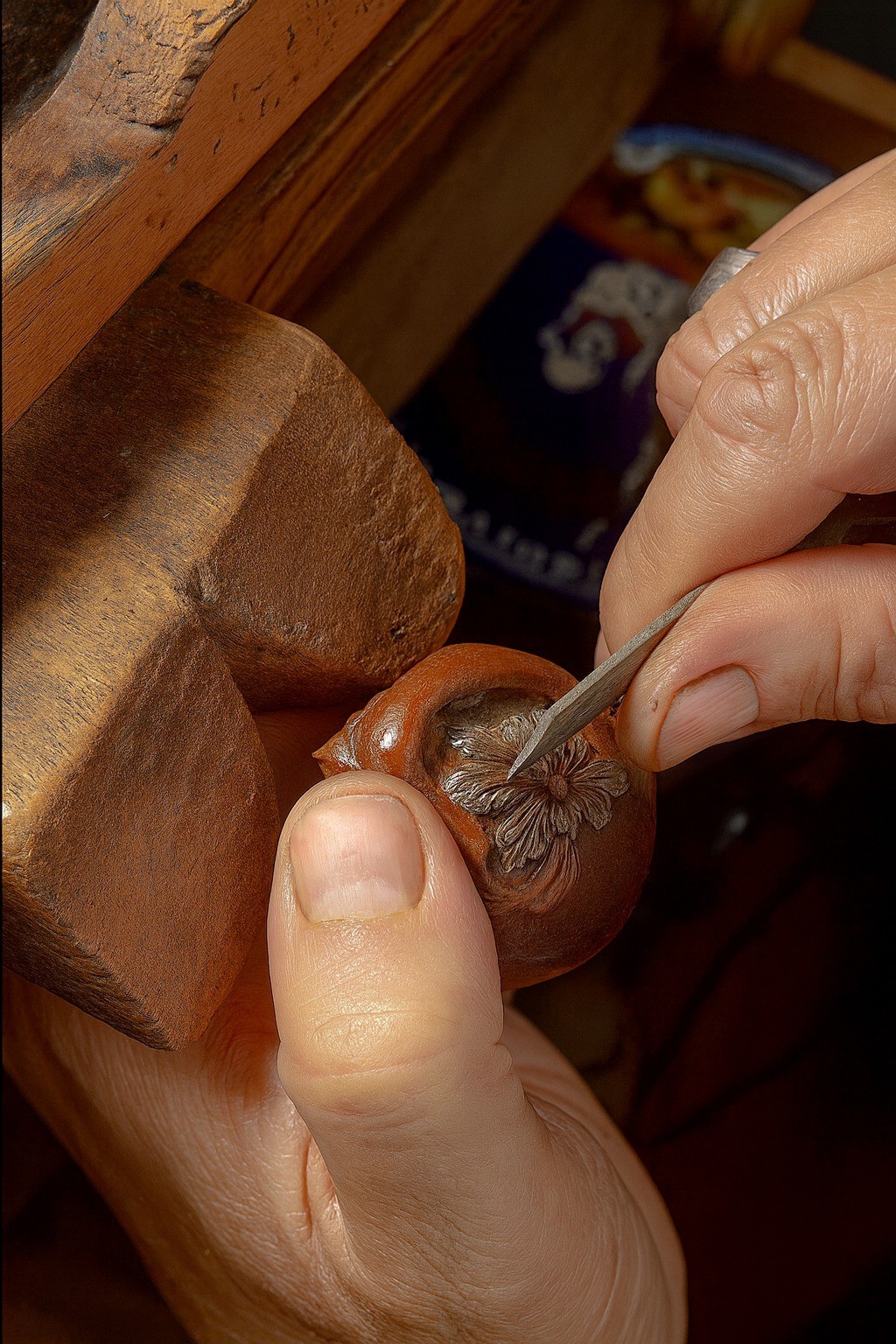
Jewels accompany human beings throughout the course of evolution. It all begins with objects made with small animal bones, shells or seeds; later, these first materials are replaced with precious metals.In the sixteenth century we see a marvelous flowering of the applied arts, and jewels begin to spread in the courts as fashion accessories, which is why important treatises on the goldsmith's art also date back to this period. In the Renaissance, then, symbolic and ritual meanings also began to be attributed to jewels.
Modernism is a very important artistic current linked to jewels in art. One thing that not many know, in fact, is that in this period artists such as Pablo Picasso, Salvador Dalì and George Braque ventured not only into the creation of very famous paintings, but also of many examples of particular goldsmith's art.
In the Art Noveau the use of the Liberty style spreads, with its decorations linked to the floral world. The suggestions of the art of this period gave life to marvelous creations in the 19th and 20th centuries, with jewels made by big names.
In the twentieth century, artist's jewels began to be considered as separate creations compared to high jewellery, so much so that even new professional figures such as the bijoutier-artiste and the bijoutier-couturier were born.
Jewels in works of art
There are many works of art in which jewels have been immortalized, to be given to us in all their beauty and wonder.Let's see together some examples of jewels in art.
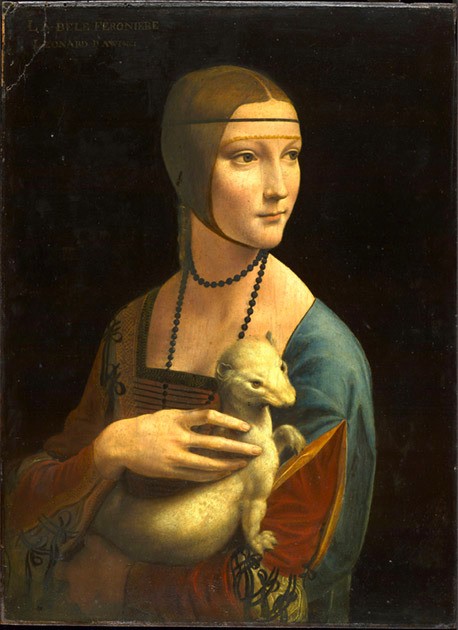
If we think of the Italian Renaissance and of the Florentine goldsmith's art which had its maximum flowering in that period, we cannot fail to think of the famous Lady with an Ermine by Leonardo da Vinci. In the painting we can see a thin and long necklace of dark grains, which surrounds the neck of the lady (Cecilia Gallerani) and then falls in front of her. The stones of which the necklace is made could be onyx, agate or black amber, but it is only possible to make assumptions.
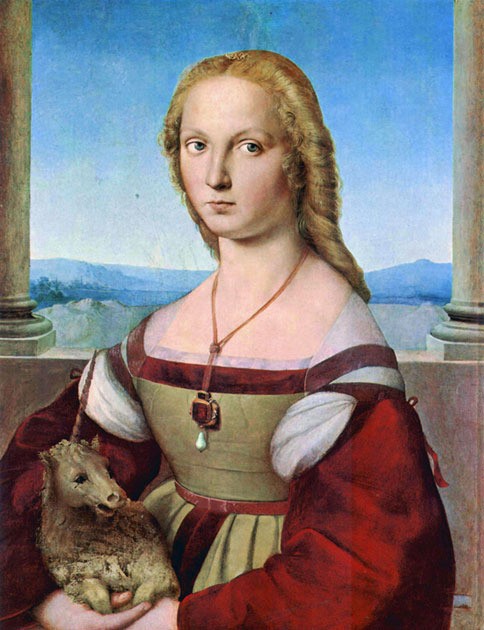
Another famous Renaissance painting is The Lady with the Unicorn by Raphael. The young Florentine portrayed is dressed in the fashionable dress of the time, the gamurra.
Although there is no certain information on the circumstances in which the painting was commissioned, the elements present in it suggest that it was a wedding gift. In fact, the girl is wearing a necklace with a pendant with a ruby, a sapphire and a drop pearl, precious stones which at the time were symbolically linked to the theme of the bride's chastity. Similarly, the knot that characterizes the necklace could be a reference to the bond of marriage. Also full of allegorical meaning is the little unicorn held in the arms of the lady, a mythological animal which in the Middle Ages was associated with chastity.
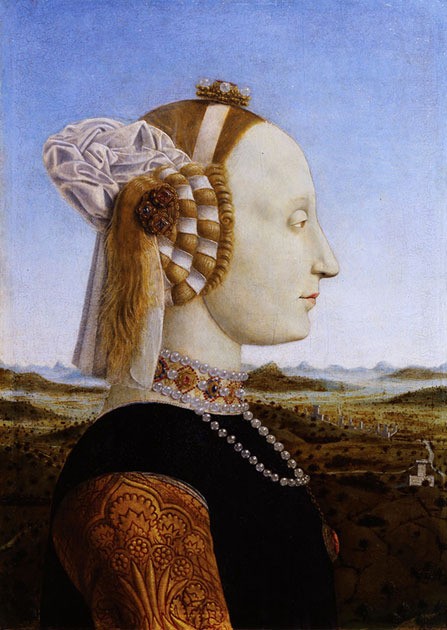
Another famous painting is the Portrait of Battista Sforza. In the work, Piero della Francesca represents Battista Sforza according to the canons of beauty of the time, with a candid complexion symbol of nobility and a high hairline, as was customary at the time.
The noble's hairstyle is very elaborate with jewels and braided ribbons and his figure is adorned with a precious pearl choker. With skill, with the technique of oil glazes, Piero della Francesca manages to reproduce the splendor and reflection of the pearls and gems depicted.
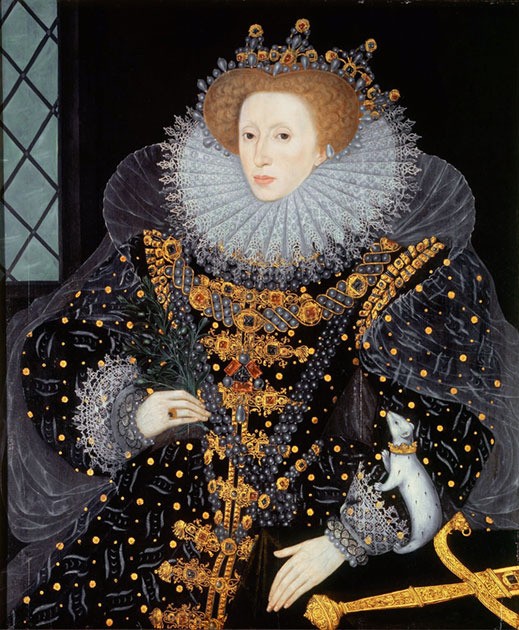
In the Baroque period we can find important examples of jewels in art in the portraits of Elizabeth I, Queen of England and Ireland. The paintings that portray her are clear evidence of the customs and style in vogue in the high jewelery of those years: the sovereign is represented wearing many jewels of gold and precious stones, and pearls on her clothes and in her hair, which represented the wealth of the entire kingdom of which Elizabeth I was at the head.
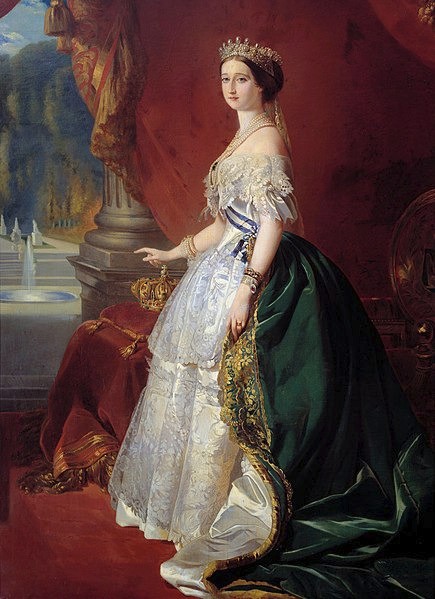
Looking at the art and jewels of the Napoleonic age, we can look for example at the painting of the Empress Eugenie, wife of Napoleon III, portrayed by Franz Xavier Winterhalter. Her pearls were highly prized in the 19th century, and in this portrait we see them richly decorating the figure of the Empress.
Moving on to modern art, we can find interesting interweaving between the goldsmith's art and the pictorial art. Artists such as Salvador Dalì and De Chirico were inspired by their paintings to create imaginative and dreamlike artistic jewels, which they commissioned from expert goldsmith masters based on their design.
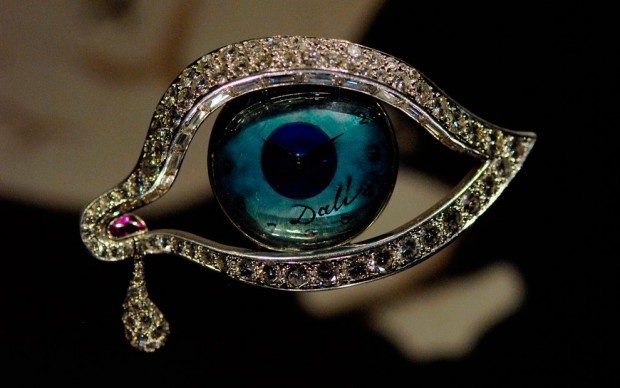
These are just some of the many examples of jewelery reproductions that dot the history of art and man. As we have seen, the meanings and inspirations linked to a work of art can be very many, but one thing is certain: the beauty of a precious jewel made immortal by the creativity and inspiration of an artist never ceases to enchant.
Florentine jewelry and art
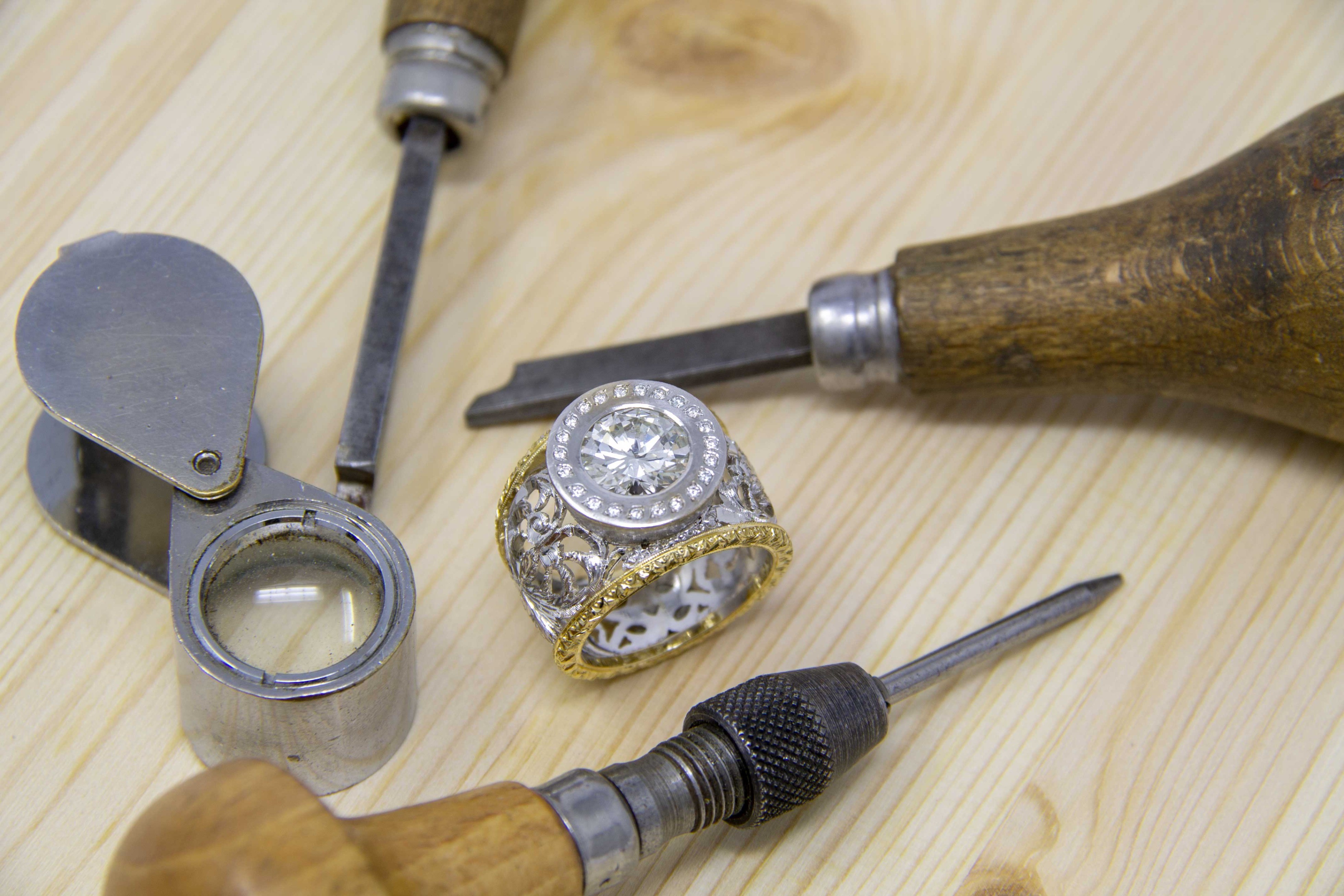
In the goldsmith's art, Florence plays a very important role. The techniques of Florentine jewelery have ancient roots and over the centuries the Florentine goldsmith masters have been recognized and appreciated not only in Italy, but all over the world.Even today in the Tuscan city it is possible to find goldsmith shops like our jewelery in Florence. Our expert craftsmen have always created fine jewels with attention to detail, also made to design and personalized according to customer needs.
Some of our projects have also involved valuable reproductions of art jewels or jewels inspired by important works (which you can see by visiting our dedicated section).
If you want to discover the creations of our jewelers you can explore our website, or visit our goldsmith's shop in Florence.