

Pearls are truly extraordinary and are distinguished from precious stones because they are not born from the earth, but are formed in the sea or in rivers and lakes.
What makes pearls so fascinating is their iridescent light and unique brilliance, as well as the uniqueness of their creation and their delicacy.
Each pearl is the result of a rare and almost magical event that takes place surrounded by water, where marine life or rivers and lakes intertwine with the creative power of nature.
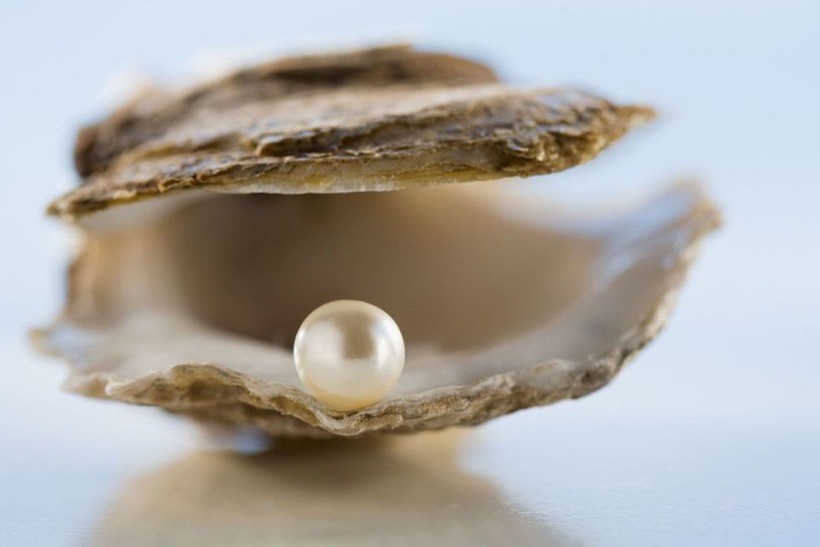
When a mollusc is disturbed by a parasite or a foreign fragment that creeps into its mantle, it begins to react by producing a layer of mother-of-pearl around the unwanted object.
This process is a form of defense and protection, where the underwater creature transforms what could be considered an unwanted intrusion into a precious and extraordinary gem.
Let's go into the history of pearls
The history of pearls dates back thousands of years, spanning many ancient cultures that recognized their value and beauty.
Pearls have been considered symbols of wealth, prestige and royalty in different civilizations.
In ancient times, pearls have always had a symbolic meaning that goes beyond elegance and royalty.
In Greece they were sacred to Aphrodite, the goddess of love, and were used to adorn the ears as a symbol of marriage. In Botticelli's "Birth of Venus" painting, the goddess of beauty emerges from a pearl-like shell, representing purity and love (and, as for jewels in Botticelli's paintings, you can't miss our dedicated article).
The oldest Chinese history text tells us that around 2500 BC. a king received a splendid pearl of exceptional dimensions as a gift, while for the Romans pearls were considered "first of all precious things", they were symbols of love and beauty: it is even Pliny the Elder who tells us that pearls were considered " first of all the precious things".
One historical icon associated with pearls is Cleopatra, the celebrated queen of ancient Egypt, known for her beauty and her love of luxurious jewellery. She is said to have used her pearl earrings to win a bet with Mark Antony regarding the most lavish banquet, demonstrating the power and beauty of pearls in Egyptian culture at the time.
Over the centuries, pearls have continued to fascinate and be desired by royalty, nobles and people of high social standing all over the world. Their rarity and beauty have made them objects of great value, often handed down from generation to generation as family jewels, silent witnesses of the stories and traditions of the past.
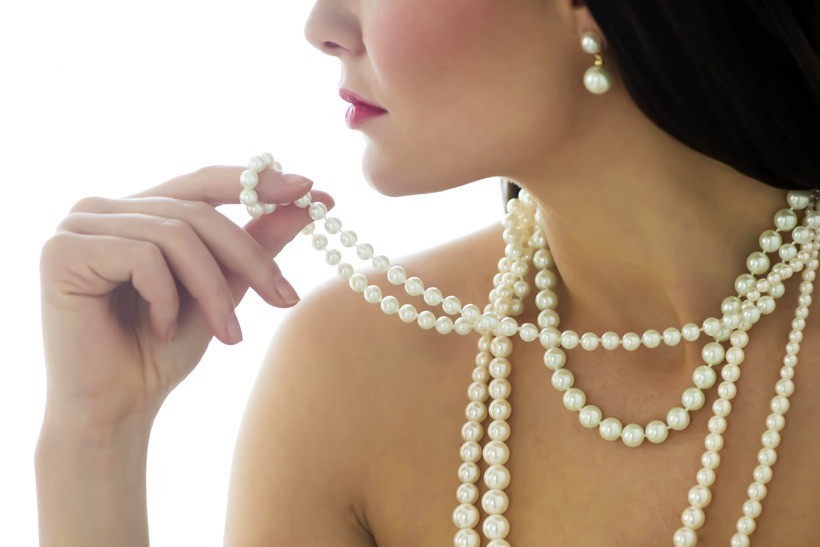
Today pearls and the refined jewels that are created with them are appreciated for their elegance, they are perfect jewels to delicately enhance the figure of every woman.
Just like in the case of Chanel she in fact wore long pearl necklaces on every occasion, to the point of making her an icon.
They are not only used as jewellery. We now find them adorning bags, dresses, watches and as components of face creams.
Pearl cultivation
There are two main methodologies for pearl production: natural pearls and cultured pearls.
Natural pearls, as the name suggests, are formed spontaneously and naturally when a parasite or a foreign fragment creeps into the mantle of a usually marine mollusk, such as an oyster or a mother of pearl, this event stimulates an extraordinary biological response in the mollusk , which begins to secrete a mother-of-pearl layer around the unwanted object.
Over time, the layers of mother-of-pearl accumulate and compact, creating a unique pearl. Natural pearls are extremely rare and valuable because their formation process requires a unique combination of factors, including the presence of suitable mollusks, a healthy marine environment, and favorable conditions.
On the other hand, cultured pearls are produced through a controlled process by humans. Skilled pearl cultivators manually implant a nucleus, usually consisting of a small bead of mother-of-pearl or a piece of shell, into the mantle of a mollusk. This nucleus serves as a starting point for pearl formation. In response to this nucleus, the mollusk begins to secrete layers of mother-of-pearl around it, gradually forming a pearl.
This process requires patience and care from the cultivators, who must ensure optimal conditions of water, nutrition, and environment for the mollusk. During the cultivation period, which can last several years, the pearls are constantly monitored and evaluated for their quality and development. Once the cultured pearls are ready to be harvested, they undergo careful selection and processing to prepare them for the creation of high-quality jewelry.
The Subtle Art of Pearl Crafting
Once harvested, cultured pearls can be used to create exquisite jewelry that enhances their natural beauty. Skilled jewelers carefully select pearls based on their size, shape, luster, and color. Pearls can come in a variety of shapes, including round, oval, drop, and other unique forms. This variety offers endless possibilities for the creation of elegant and original jewelry pieces.
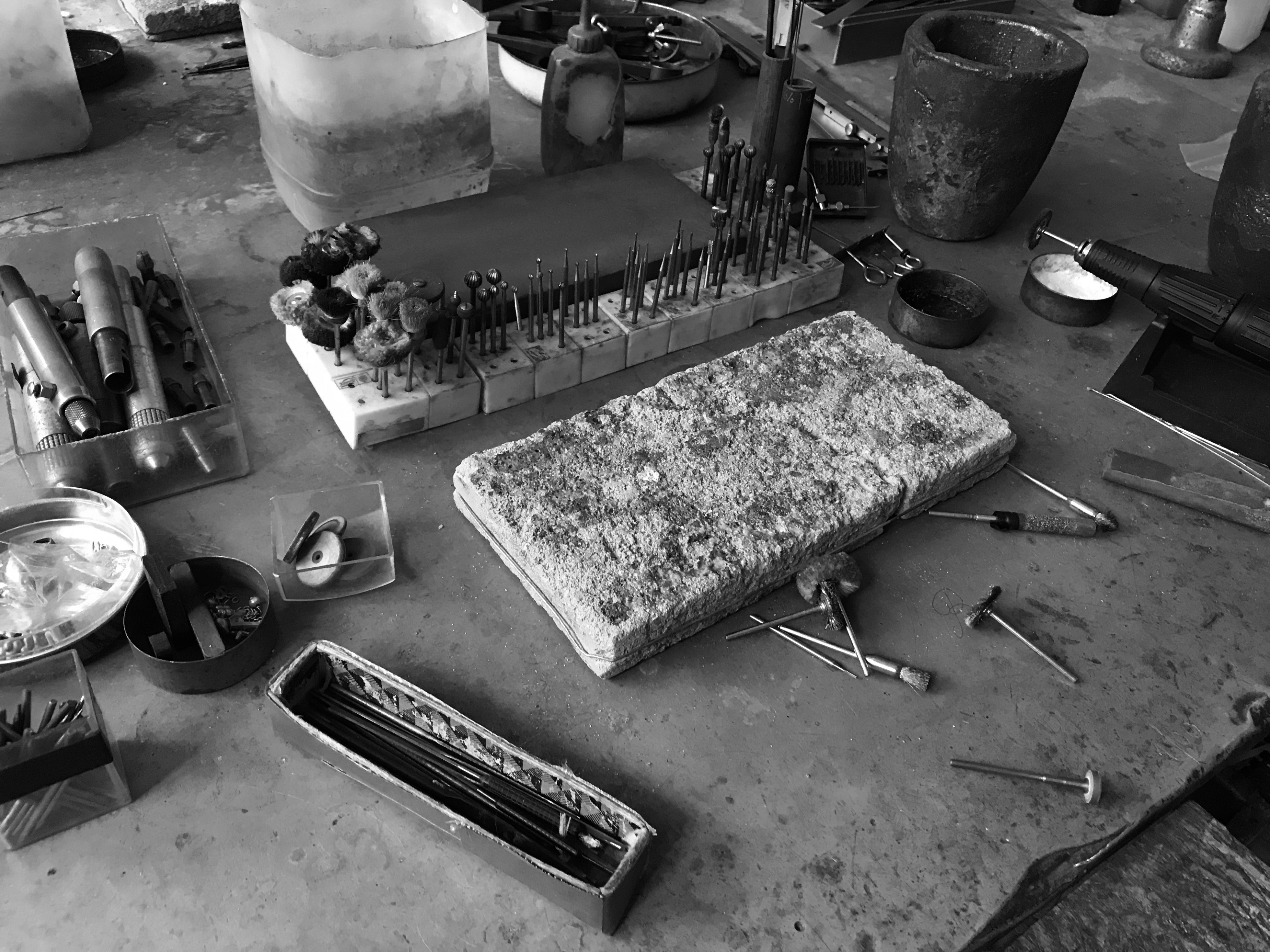
Next, the pearls are drilled to allow them to be strung onto necklaces, bracelets, earrings, and other jewelry items. This process requires great skill and precision to avoid damaging the delicate pearls.
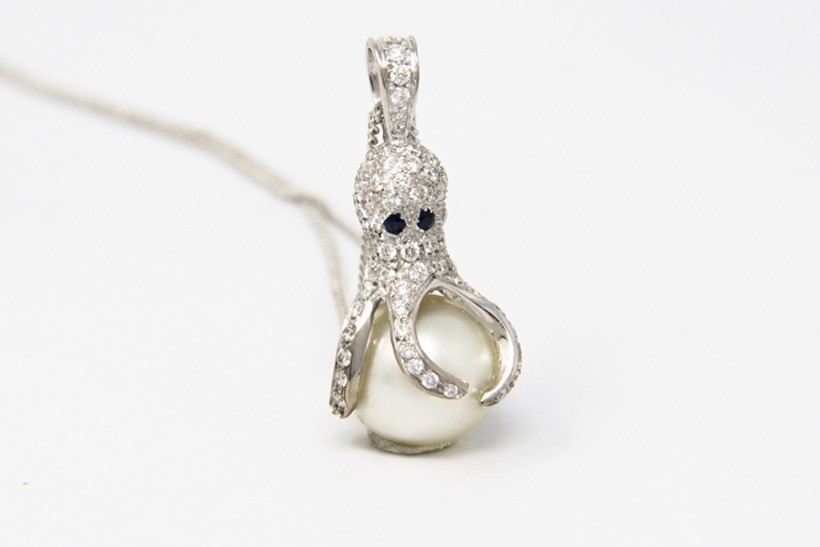
Once the pearls are ready, jewelers can create custom settings using precious materials such as gold, silver, or platinum. These settings are designed to further enhance the beauty of the pearls, providing an elegant frame that showcases their luster and splendor. Some jewelers choose to adorn pearl jewelry with gemstones or diamonds, adding a touch of luxury and uniqueness to the final design.
Pearls are delicate gemstones and require proper care to preserve their beauty over time. They should be stored separately from other jewelry to avoid scratches and damage. It is advisable to take your pearls to an expert jeweler to ensure that they always shine without worrying about them getting damaged during cleaning.
Additionally, it's important to avoid exposure to harsh chemicals and protect pearls from prolonged direct sunlight, which can fade their natural color.
Hidden curiosities
Pearls are extraordinary gemstones that can vary greatly in terms of color, shape, and size. While white pearls are among the most common, there are also pearls in shades of pink, cream, silver, gold, and even black.
Tahitian black pearls, for example, are renowned for their beauty and sophistication. However, it's important to note that black pearls aren't truly black; they can exhibit a wide range of shades, ranging from dark gray to intense green and blue. This variety of colors adds charm and interest to pearls, allowing each pearl jewelry piece to be unique and special.
The oldest known pearl in the world was discovered in the United Arab Emirates and dates back approximately 7,500 years.
Pearls continue to fascinate and inspire generations of jewelry enthusiasts. Their timeless beauty, rich history, and connection to the sea make them unique and enchanting jewelry pieces.
Furthermore, pearls have a deep connection to the history of art and jewelry. If you're interested in discovering more about this fascinating intertwining of jewelry and art history, you can visit the following link: "Jewelry and Art History: Fascinating Connections" Explore how art and aesthetics have influenced the creation of jewelry and how jewelry itself has become works of art.